
Music as an Inner Soundtrack
Nieuwe burenThis thread traces how music first gives Peter distance and pleasure, then becomes a language through which he understands himself, and finally a delusional code that accompanies violence.
increasing Bearing strength in each event
 decreasing
Bearing strength in each eventdecreasingThe First Escape
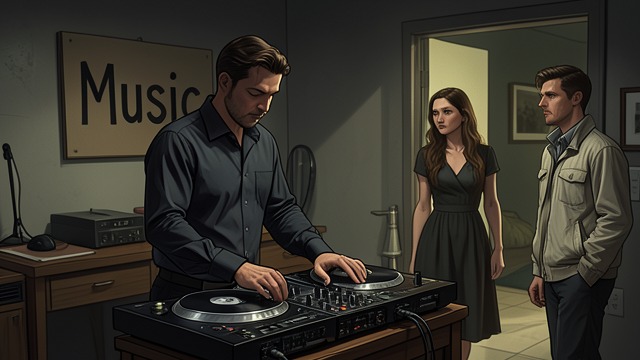
Music Behind the Mixing Desk
Distance from the crowd
As a teenager, Peter dreams of becoming a guitarist and earns money as a DJ. Music lets him take part in parties while keeping the equipment between himself and the audience; behind the turntables, he can respond to requests without having to improvise ordinary conversation.
Eva enters through a song
At a school dance, Eva asks him for a Billy Idol song, and her confidence creates a small opening between them. Later, after she confides in him about a breakup, Peter admits his feelings, and their first kiss grows out of the music-filled world where he first noticed her.
Music therefore begins as both shelter and connection. It protects Peter from social exposure, but it also provides the shared moments through which he and Eva build their relationship.
Songs During Grief
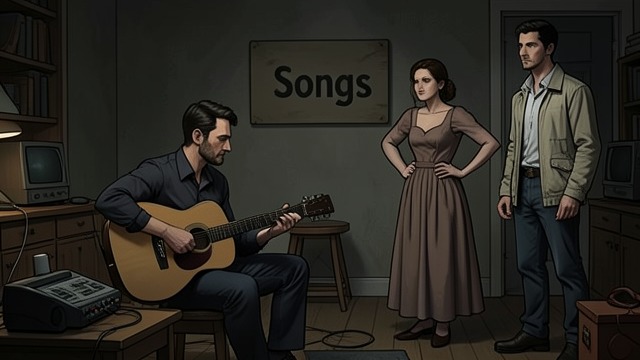
A Private Emotional Channel
Lyrics as distance
Peter often recalls song fragments in moments when he cannot speak directly about his feelings. The words give him a sense of distance from painful events, as though he can observe his life as a performance rather than remain fully inside it.
Music inside the family home
After Lieve’s death, Peter works on the new house and uses familiar rock music as a private source of momentum. Songs do not resolve the couple’s grief, but they offer him a language of endurance when direct conversation feels impossible.
This habit becomes important because music can carry meanings Peter has not consciously examined. At first it protects him from feeling overwhelmed; later he begins to treat the lyrics as if they contain instructions about what his life means.
A Shared High
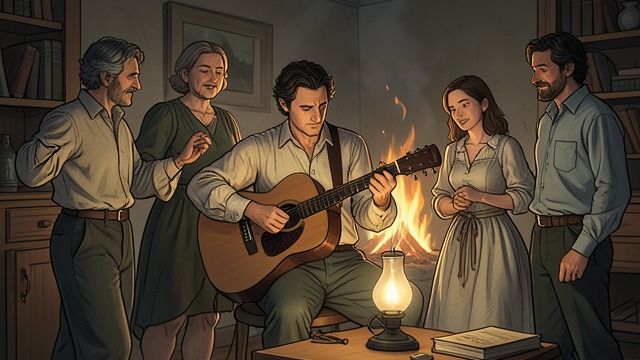
Music Opens a Door
Returning to performance
During the barbecue, Peter takes his electric guitar from storage and plays a Jimi Hendrix song at Steef’s encouragement. To his surprise, the old musical ability returns, and playing gives him a sense of competence that his work and marriage have not recently offered.
Collective release
Later, music draws the four adults into a charged evening of dancing and touch. Peter feels able to move without his usual self-consciousness, and a familiar song becomes a declaration of restarting. The sound temporarily loosens his inhibitions and helps him approach Eva again.
The scene gives music genuine emotional force, but it also blurs the difference between renewed connection and disinhibition. The freedom Peter experiences is real to him, yet it does not settle the disagreements that remain beneath the party’s energy.
Ecstasy and Revelation
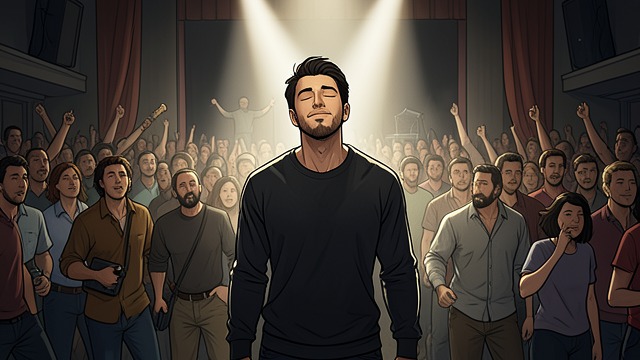
Belonging Through Sound
A crowd becomes a home
At the U2 concert, Peter takes ecstasy and initially fears that it has had no effect. Once the music takes hold, however, he feels physically light and emotionally joined to the crowd. He interprets the concert as proof that he can still be moved and that he belongs among other people.
The high turns unstable
Peter experiences closeness with Steef and strangers as unusually intense, and the music seems to confirm the significance of these relationships. Afterward, he struggles to sleep and develops racing thoughts, restlessness, and a hunger for new experiences.
The concert offers a powerful but short-lived alternative to the isolation of grief. Its aftereffects make Peter more vulnerable to treating emotional intensity as evidence that he has discovered a truth about his life.
Lyrics Become a Warning
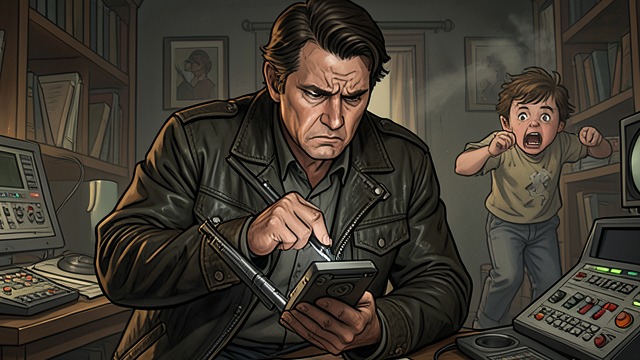
A Soundtrack Turns into a Code
Songs as evidence
As Peter’s thoughts become increasingly paranoid, songs from his collection seem to speak directly to his situation. He hears warnings and revelations in familiar lyrics, connecting images of darkness, betrayal, and survival to his fears about Steef, Eva, and the house.
The code drives action
Peter’s interpretations cease to be a metaphorical way of expressing distress. He treats the music as confirmation that he must protect Eva and confront an enemy, while suspicion and sleep deprivation narrow his sense of what is possible. The soundtrack that once helped him endure isolation now reinforces his delusions.
During the armed confrontation, music has become part of the mental storm surrounding Peter’s actions. The songs cannot keep him from violence or explain it afterward; once he hears the frightened child in the cottage, reality returns through the consequences of what he has done.
During Peter and Eva’s early relationship
After Lieve’s stillbirth and the move to Melkweg 1
During the exceptionally hot summer in De Zonnepolder
The night of Peter and Steef’s U2 concert
During Peter’s final paranoid crisis
